How Periodontal Treatment Can Save Your Teeth and Smile
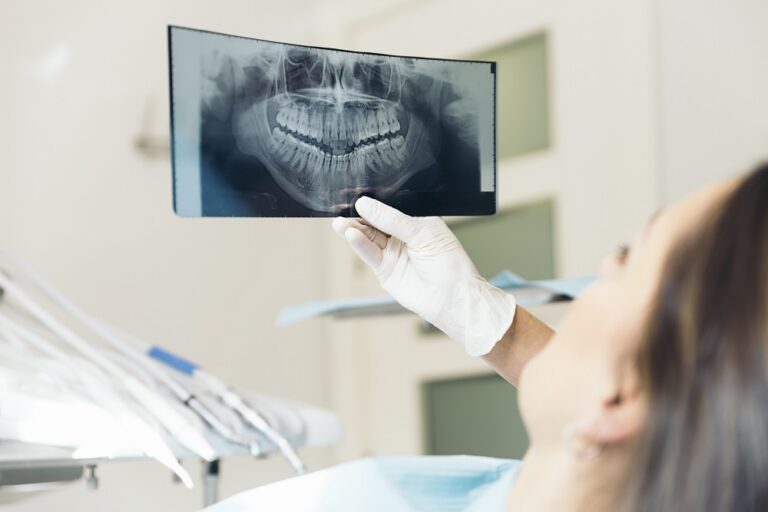


Most people think tooth loss starts with a cavity. In practice, I have seen far more teeth put at risk by gum disease that was ignored, minimized, or simply misunderstood. A patient comes in saying, "My teeth are fine, but my gums bleed a little." Six months later, one of those teeth feels loose. A year later, that same person is asking whether an implant is the only option.
That progression is often preventable.
Periodontal Treatment is not cosmetic fluff, and it is not a last resort reserved for severe cases. It is the part of dentistry focused on protecting the structures that hold your teeth in place: the gums, the periodontal ligament, the root surfaces, and the bone around each tooth. When those tissues become inflamed or infected, the damage can be quiet at first. There may be no dramatic pain, no emergency, nothing that forces immediate action. That is one reason periodontal disease is so destructive. It advances in the background while people carry on with work, family life, and routines that seem normal.
When treatment happens early, the goal is often straightforward: stop inflammation, remove infection, help the tissues heal, and keep the teeth stable for the long term. When treatment happens late, the goals become more complicated. Then the conversation may include bone loss, gum recession, deep pockets, bite changes, mobility, and replacement options that are more invasive and more expensive than preserving the natural tooth ever would have been.
The encouraging news is that periodontal care has a strong track record. Even people with moderate or advanced gum disease can often keep their teeth for many years with timely treatment and consistent maintenance. Saving teeth and preserving a natural smile is usually possible when the disease is identified clearly and managed with discipline.
What periodontal disease is really doing
Healthy gums fit snugly around the teeth. They do not bleed easily, they do not look puffy, and they do not pull away from the root. Under the gumline, healthy support structures keep the tooth anchored during everyday chewing. Periodontal disease disrupts that support system.
It usually begins as gingivitis, which is inflammation limited to the gums. Plaque accumulates along the gumline, the tissue becomes irritated, and bleeding starts. At that stage, the process is reversible. A thorough professional cleaning combined with https://jaredrind922.theburnward.com/how-stress-can-impact-your-need-for-periodontal-treatment improved home care often brings the gums back to health.
The problem is what happens when that early inflammation is allowed to continue. Plaque hardens into calculus, also called tartar, and bacteria settle below the gumline. The body responds to that bacterial challenge with inflammation. Over time, that inflammatory process does not just irritate the gum tissue. It starts to break down the ligament fibers and bone that hold the teeth in place. That is periodontitis.
This is the moment when many people assume they would surely feel intense pain if anything serious were happening. Often they do not. Gum disease can be strangely polite in its early and middle stages. It gives warnings, but not always the dramatic kind people expect from dental trouble.
Bleeding during brushing, chronic bad breath, tenderness, gum recession, food packing between teeth, and a slight shift in how the bite feels are all common clues. Loose teeth tend to show up later. By then, support has already been lost.
Why teeth become loose, even when they look intact
A tooth can appear sound above the gumline and still be in real jeopardy. The visible crown is only part of the picture. Think of a fence post that looks solid above ground but has lost much of the soil around its base. It may stand for a while, but its stability is compromised.
That is what bone loss does around a tooth.
When periodontal disease destroys supporting bone, the tooth has less structure to hold it firm. In many cases the enamel is not the main problem at all. The issue is the foundation. People are often surprised to hear that a tooth with no large cavity and no crack may still be at risk because the bone around it has been reduced.
The good news is that mobility does not always mean a tooth is doomed. I have seen teeth that felt unnervingly loose become significantly more stable once inflammation was controlled and the bite was adjusted where needed. A tooth that is wobbly because inflamed tissues are swollen and infected can behave very differently after proper Periodontal Treatment. That does not mean every loose tooth can be saved, but it does mean mobility should be evaluated, not written off.
The first step is a careful diagnosis
Good treatment starts with clarity. A routine cleaning is not enough when periodontal disease is suspected. The dentist or periodontist needs to measure pocket depths around each tooth, check for bleeding, evaluate gum recession, assess tooth mobility, and review radiographs for bone loss patterns.
Those measurements matter. A healthy gum sulcus is generally shallow. As disease progresses, the space between the tooth and gum becomes deeper, forming periodontal pockets that trap bacteria and are difficult to clean at home. A few isolated deeper areas may suggest local contributing factors such as tartar deposits, old overhanging fillings, crowded teeth, or a bite issue. More generalized deep pockets often point to broader periodontal breakdown.
The pattern of bone loss matters too. Horizontal loss, vertical defects, furcation involvement around molars, and recession on exposed roots all affect treatment planning. A person with shallow generalized inflammation needs a very different approach from someone with 7 or 8 millimeter pockets and molar furcations.
This is one reason periodontal treatment should feel personalized. There is no honest one-size-fits-all answer.
What Periodontal Treatment usually involves
For many patients, the foundation of treatment is scaling and root planing. This is sometimes called a deep cleaning, though that phrase can make the procedure sound more casual than it is. The purpose is to remove bacterial deposits and calculus from above and below the gumline and to smooth contaminated root surfaces so the tissue has a better chance to heal and reattach.
When done properly, this is more than a quick pass with instruments. In areas with established disease, deposits can be tenacious, and root surfaces may be rough or irregular. Local anesthesia is often used because comfort matters, and the work needs to be thorough. Depending on how much of the mouth is involved, treatment may be completed in sections over more than one visit.
After healing, the tissues are re-evaluated. That re-evaluation is critical. Some pockets shrink nicely once the bacterial burden is reduced and the patient improves plaque control at home. Other areas remain deep and inflamed, and those sites may require additional intervention.
At that point, treatment might include localized antibiotics, antimicrobial rinses, laser-assisted therapy in selected practices, or referral to a periodontist for surgical care. Surgical procedures can involve flap access to thoroughly clean deeper root surfaces, reshape irregular bony architecture when appropriate, or place regenerative materials in defects where there is a realistic chance of rebuilding some lost support.
A common misunderstanding is that surgery means failure. It does not. In many cases, surgery is simply the most predictable way to access diseased areas that non-surgical treatment cannot fully resolve. The goal remains the same: preserve teeth and stabilize the mouth.
How treatment protects your smile, not just your gums
People often separate oral health from appearance as if they belong in different conversations. In periodontal care, they are tightly linked.
Gum disease changes how a smile looks in several ways. Inflamed gums can appear swollen, darkened, or uneven. Recession can make teeth look longer and expose yellowish root surfaces that contrast with the enamel. As bone support diminishes, teeth may drift, creating spaces that were not there before. In the upper front teeth, even subtle movement can change the entire character of a smile.
There is also a functional side to appearance. When front teeth flare or separate because support is weakening, speech can change. Biting into foods becomes awkward. People start smiling with their lips closed or angle their faces away in photos. That loss of confidence is real, and it often arrives before actual tooth loss.
Effective Periodontal Treatment helps by reducing inflammation, limiting further recession where possible, and protecting the support that keeps teeth aligned and usable. In some cases, once the gums are healthy and stable, cosmetic options become more predictable. A patient may move on to bonding, orthodontic correction, or restorative work. But none of that stands on solid ground if the periodontal disease remains active.
A healthy smile is not only white enamel. It is pink, stable tissue framing teeth that are properly supported.
Cases where timing makes all the difference
There is a striking difference between treating early-stage disease and trying to rescue advanced cases.
A patient in the early phase might have generalized bleeding, mild calculus buildup, and pocketing in the 4 to 5 millimeter range. With deep cleaning, better brushing and interdental cleaning, and a maintenance schedule every three to four months, that person may stabilize beautifully. The gums tighten up, bleeding drops dramatically, and long-term prognosis is excellent.
Compare that with someone who has postponed care for years because nothing hurt. That patient may present with deep pockets, widespread bone loss, loose molars, food trapping, recession, and bite collapse. Treatment can still help tremendously, but the road is longer. It may involve a periodontist, extraction of hopeless teeth, regenerative attempts in select sites, splinting mobile teeth, and careful coordination with restorative planning. The outcome may still be successful, but the margin for error is much smaller.
The practical lesson is simple. Early intervention is not about overreacting. It is about choosing the easier, less invasive path while that path is still available.
When a tooth can be saved, and when it may not be worth saving
This is where professional judgment matters. Patients sometimes hear, "We can try to save it," and assume that effort is always the best choice. Not necessarily.
A tooth with moderate bone loss, manageable mobility, and a strategic role in the bite is often worth treating aggressively, especially if the patient is motivated and the surrounding teeth are in decent condition. By contrast, a tooth with severe attachment loss, a vertical root fracture, advanced furcation involvement, or a poor crown-to-root ratio may have a guarded or hopeless prognosis.
Saving a tooth should never mean prolonging infection or spending heavily on a structure with no realistic long-term future. On the other hand, extracting teeth too quickly can create a different set of problems. Natural teeth, when maintainable, still offer advantages in proprioception, chewing feel, and preservation of existing anatomy.
The best clinicians do not cling to teeth sentimentally, and they do not discard them casually either. They weigh stability, function, comfort, cost, and patient goals. That kind of balanced thinking is one of the most valuable parts of periodontal care.
Home care can make or break the result
No professional treatment can outwork daily neglect.
This is not a moral judgment, just a biological fact. Periodontal disease is driven by bacterial biofilm, and biofilm reforms quickly. If the mouth is not being cleaned effectively at home, inflammation returns. Patients sometimes expect a deep cleaning to solve the problem permanently, in the same way a filling solves a cavity. Gum disease does not behave that way. It requires ongoing control.
What works at home depends on the person. Some do well with an oscillating electric toothbrush and floss. Others are far more consistent with interdental brushes or a water flosser used as an adjunct, not a substitute for mechanical cleaning. Patients with bridges, implants, crowded lower incisors, or recession often need customized tools and techniques. The right routine is the one that can actually be done well every day.
Three details make a major difference. First, brushing needs to reach the gumline, not just polish the visible tooth surface. Second, interdental cleaning has to match the size and shape of the spaces between teeth. Third, consistency matters more than occasional bursts of perfection after a guilty reminder from the hygienist.
Maintenance visits are part of treatment, not an optional add-on
One of the biggest mistakes people make is treating maintenance visits as ordinary cleanings that can be stretched indefinitely. After active periodontal therapy, the mouth has a history of disease. That history changes the recommended follow-up schedule.
For many periodontal patients, maintenance every three or four months is appropriate, at least initially. That interval is not arbitrary. It reflects how quickly bacterial populations can mature and how easily susceptible sites can relapse. During these visits, the team checks pocket depths, bleeding, mobility, home care effectiveness, and areas of recurrent buildup. This is also when small setbacks can be managed before they become larger ones.
Patients who commit to maintenance generally keep more teeth, avoid more emergencies, and spend less over time than those who drift in only when something breaks. It is not glamorous dentistry, but it is some of the most valuable.
The role of smoking, diabetes, stress, and other complicating factors
Periodontal disease does not occur in a vacuum. The mouth reflects the rest of the body and the realities of daily life.
Smoking is one of the strongest risk factors for periodontal breakdown and poor healing. Smokers may show less obvious bleeding because nicotine affects blood flow, which can make disease look quieter than it really is. Yet tissue response to treatment is often less favorable, and recurrence is more common. When a smoker succeeds in quitting, periodontal outcomes frequently improve.
Diabetes is another major factor, particularly when blood sugar control is poor. The relationship goes both ways. Uncontrolled diabetes can worsen periodontal inflammation, and active periodontal infection can make glycemic control harder. Patients who get both issues under better control often notice benefits in their overall health as well as their gums.
Stress, dry mouth, certain medications, grinding, immune conditions, and hormonal shifts can all influence the course of disease. None of these automatically prevents success, but they do affect planning and prognosis. This is why an honest medical history and a realistic discussion about habits matter so much.
What patients often ask before starting treatment
A few questions come up almost every time, and they are worth answering directly.
Will it hurt? Most non-surgical periodontal treatment is very manageable with local anesthesia. Some soreness afterward is common, especially in inflamed areas, but it is usually short-lived and far easier than patients expect.
Will my gums grow back? Inflamed tissue can tighten and look healthier after treatment, but gum recession and bone loss do not simply reverse on their own. In certain cases, regenerative procedures or gum grafting may help, but results depend on the defect, the anatomy, and the patient’s healing capacity.
Why do my teeth look longer after treatment? This is a common and unsettling surprise. When inflamed gums shrink back to a healthier state, teeth can appear longer because swelling is gone and areas of prior recession become more visible. It may look different, but healthier does not always mean fuller.
Can mouthwash fix this? No. Rinses can support care in selected situations, but they do not remove calculus or disrupt established subgingival deposits well enough to treat periodontitis.
If I need an implant anyway, should I skip saving the tooth? Not automatically. Implants are excellent tools, but they are not biologically superior to maintainable natural teeth. They also require healthy gums and careful maintenance, and they can develop peri-implant disease if plaque control is poor.
Signs you should not ignore
If you notice any of the following, it is worth scheduling an evaluation rather than waiting for pain to force the issue:
- Bleeding during brushing or flossing that happens regularly
- Persistent bad breath or a sour taste in the mouth
- Gums that look swollen, receded, or uneven
- Teeth that feel loose, shift position, or trap food more than before
- A bite that suddenly feels different when you chew
None of these signs proves severe disease on its own, but each one deserves attention. The earlier the assessment, the more options you usually have.
What successful periodontal care looks like over time
Success is not always dramatic. Sometimes it looks like something wonderfully uneventful. The gums stop bleeding. Pocket depths become more stable. Teeth that felt tender become comfortable again. A patient who once avoided apples or crusty bread starts eating normally. The spaces between the teeth no longer seem to widen every few months. X-rays stop showing progressive bone loss.
That quiet stability is a major win.
In stronger outcomes, even teeth that once seemed questionable can remain functional for years. I have seen patients keep strategically important teeth far longer than they expected because they committed to treatment, came to maintenance visits, and made practical changes at home. I have also seen the opposite, where technically good treatment failed because follow-up care never happened.
Periodontal therapy is a partnership. The clinical side matters, but the daily side matters just as much.
Saving your teeth is usually easier than replacing them
Once a tooth is lost, dentistry can replace it impressively well, but replacement is always more complex than preservation. Bridges affect neighboring teeth. Implants require enough bone, careful planning, and continued maintenance. Dentures come with adaptation and stability issues that many patients underestimate. None of those options is trivial, financially or biologically.
That is why Periodontal Treatment deserves more respect than it often gets. It protects the investment you already have: your natural teeth, your bite, your appearance, and your comfort. It can spare you from a cascade of larger interventions that begin with one loose tooth and end in extensive reconstruction.
If your gums bleed, your teeth feel different, or you have been told you need periodontal therapy, do not reduce it in your mind to "just a cleaning." It may be the treatment that keeps your teeth in your mouth, your smile looking like your own, and your future dental care far simpler than it would otherwise become.
Avra Dental
Address: 1708 S Victoria Ave B, Ventura, CA 93003
Phone number: (805) 941-1001
FAQ About Periodontal Treatment
Can a dentist get rid of periodontal disease?
A dentist or gum specialist (periodontist) cannot fully cure or reverse advanced periodontal disease (periodontitis), but they can successfully stop its progression and manage the infection.
Is periodontitis very serious?
Yes, periodontitis is a very serious, advanced form of gum disease that destroys the bone and tissues supporting your teeth.
How is stage 2 periodontal disease treated?
Stage 2 periodontal disease (early to moderate periodontitis) is primarily treated with non-surgical deep cleaning procedures like scaling and root planing to remove bacteria and tartar below the gumline.